Berita
  • Pipe Clamp Assembly Machine: Enhancing Efficiency & Precision
    2026 - 09 - 10 Pipe Clamp Assembly Machine: Enhancing Efficiency & Precision
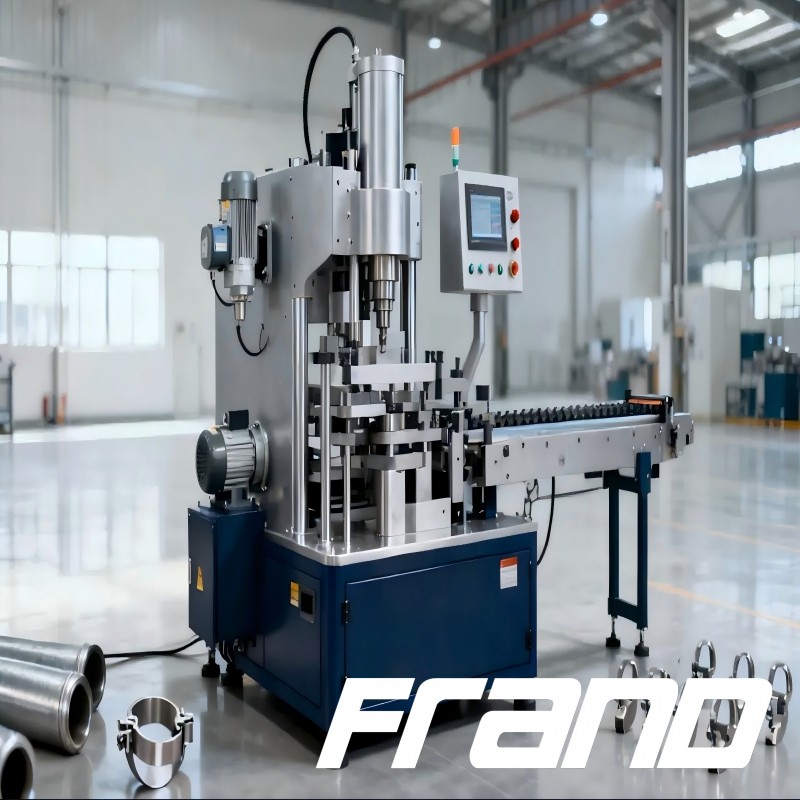
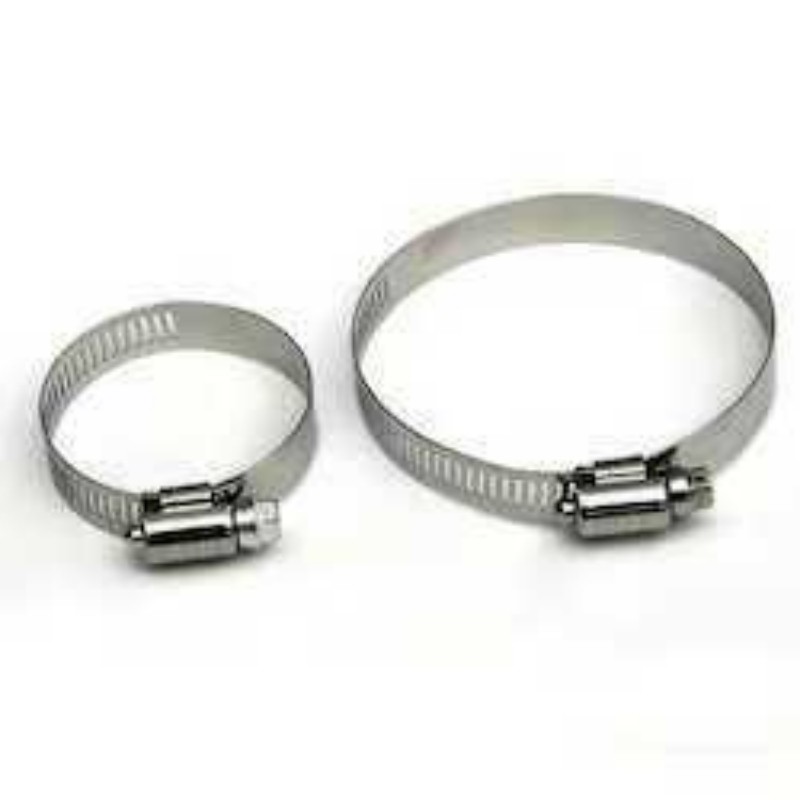
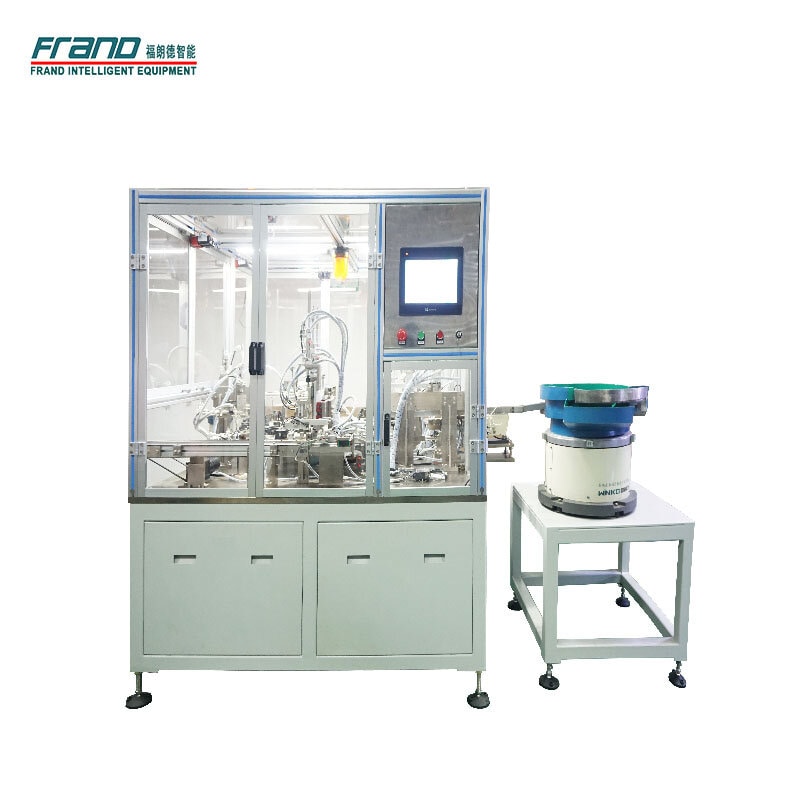
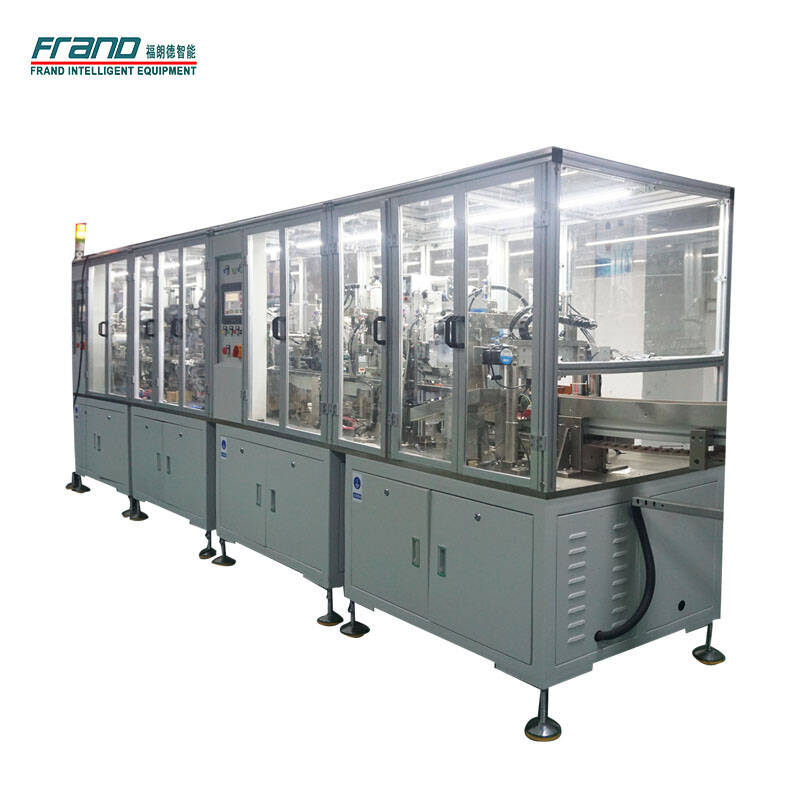
    Pipe Clamp Assembly Machine: Enhancing Efficiency & Precision 1. Introduction: The Role of the Pipe Clamp Assembly Machine in Modern Manufacturing In today's fast-paced industrial landscape, manufacturers are constantly seeking ways to improve production speed, reduce waste, and maintain consistent quality across every unit they produce. The pipe clamp assembly machine has emerged as a cornerstone solution for factories that rely on secure and repeatable fastening processes, particularly in sectors such as automotive, aerospace, and heavy equipment manufacturing. These specialized machines automate the intricate process of feeding, forming, and securing clamps onto pipes or hoses, eliminating the variability that manual assembly inevitably introduces. By integrating advanced servo-driven mechanisms and programmable logic controllers, a modern pipe clamp assembly machine can achieve cycle times that are a fraction of what even the most skilled worker can accomplish by hand. Furthermore, the precision offered by these systems ensures that each clamp is applied with exactly the right force and alignment, significantly reducing the risk of leaks or joint failures in the final product. As production volumes rise and quality standards become more stringent, investing in a reliable pipe clamp assembly machine is no longer a luxury but a strategic necessity for forward-thinking manufacturers. 2. Key Features of Our Pipe Clamp Assembly Machine Our pipe clamp assembly machine is engineered from the ground up to deliver exceptional performance, durability, and ease of use in demanding production environments. One of the standout features is the fully automatic feeding system, which uses advanced vibratory bowls and linear tracks to orient and supply clamps to the assembly station without manual intervention, thereby maximizing uptime and throughput. The machine is also equipped with high-precision servo motors that control the clamping force and positioning with micron-level accuracy, ensuring every assembled component meets strict engineering tolerances. An intuitive human-machine interface (HMI) with a color touchscreen allows operators to quickly switch between different clamp sizes and pipe diameters, reducing changeover time from hours to just minutes. Additionally, the frame is constructed from heavy-duty steel and treated with a corrosion-resistant coating, making it suitable for harsh factory floors where moisture, dust, and temperature fluctuations are common. Safety features such as light curtains, emergency stop buttons, and interlocked guarding are integrated as standard, protecting personnel without compromising accessibility for maintenance and troubleshooting. 3. Benefits of Using Our Pipe Clamp Assembly Machine Adopting our pipe clamp assembly machine delivers a wide array of tangible benefits that directly impact a manufacturer's bottom line and operational flexibility. First and foremost, the automation of the clamping process leads to a dramatic increase in production output, with many models capable of assembling over 1,000 units per hour while maintaining consistent quality throughout the run. This boost in productivity allows companies to fulfill larger orders in shorter time frames, improving customer satisfaction and enabling more aggressive bidding on new contracts. Labor costs are also significantly reduced because one operator can oversee multiple machines simultaneously, freeing skilled workers to focus on higher-value tasks such as process optimization and quality control. Furthermore, the precision of the machine minimizes material waste caused by improperly applied clamps, reducing scrap rates and saving money on raw materials over the long term. Workplace safety is enhanced as well, since operators are no longer required to perform repetitive, physically demanding motions that can lead to strain injuries or accidents. Finally, the data collection capabilities of the machine provide valuable insights into production trends, cycle times, and maintenance needs, empowering management to make data-driven decisions that continuously improve efficiency. 4. Industry Applications of the Pipe Clamp Assembly Machine Automotive and Transportation The automotive sector is one of the largest adopters of pipe clamp assembly machines, using them extensively in the production of cooling systems, fuel lines, brake assemblies, and air conditioning circuits. In modern vehicles, every hose connection must withstand high pressures, temperature extremes, and constant vibration, making the consistent application of clamps absolutely critical to safety and performance. Our machines are capable of handling a wide range of clamp types, including spring clamps, worm-gear clamps, and quick-release clamps, giving automotive suppliers the versatility they need to serve multiple OEMs from a single production line. Moreover, the ability to integrate with upstream and downstream automation, such as robotic part handling and leak testing stations, makes it possible to create fully synchronized assembly cells that run with minimal human intervention. By deploying a reliable automatic hose clamp assembly machine, automotive manufacturers can reduce warranty claims related to loose or misaligned clamps and enhance their reputation for quality.   Aerospace and Defense In the aerospace industry, the margin for error is virtually zero, and every component used in an aircraft must meet rigorous certification requirements. Pipe clamp assembly machines designed for aerospace applications incorporate even tighter tolerances and more advanced material handling capabilities to accommodate exotic alloys and specialized clamp designs. These machines help manufacturers achieve the repeatability needed to satisfy standards such as AS9100 and NADCAP, ensuring that every clamp installed on a fuel, hydraulic, or pneumatic line is positioned exactly as specified by the engineering drawings. The reduced cycle times also enable aerospace suppliers to increase their throughput without expanding their floor space, a critical advantage when dealing with high-value, low-volume production runs. By partnering with a proven manufacturer like Xiamen Frand Intelligent Equipment Co., Ltd., aerospace companies can access custom machine configurations that align with their unique quality requirements and production philosophies. Construction and Heavy Machinery Construction equipment manufacturers rely on pipe clamp assembly machines to produce hydraulic systems, fuel delivery networks, and cooling circuits for bulldozers, excavators, cranes, and other heavy machines. These environments demand exceptionally durable clamps that can resist corrosion, impact, and extreme pressure, and the assembly process must be robust enough to handle oversized components and heavy-duty clamp designs. Our heavy duty clamp making machine variants are specifically engineered for these applications, featuring reinforced clamping mechanisms, higher torque capabilities, and enlarged work envelopes that accommodate larger pipe diameters. By automating the assembly of these critical connections, construction equipment builders can significantly reduce the likelihood of field failures that lead to costly downtime and repairs. The consistency provided by the machine also simplifies the traceability process, allowing manufacturers to track each assembled component back to its production parameters for quality assurance documentation. 5. Quality Assurance and Material Selection At Xiamen Frand Intelligent Equipment Co., Ltd., we understand that the longevity and reliability of a pipe clamp assembly machine are directly tied to the quality of the materials and components used in its construction. Every machine begins with a structural frame fabricated from high-grade carbon steel or stainless steel, depending on the intended operating environment, and all welds are performed by certified technicians to ensure maximum strength and stability. The bearings, guides, and linear motion components are sourced from reputable international brands known for their precision and wear resistance, which minimizes maintenance intervals and extends the service life of the machine. Electronic components, including sensors, controllers, and drives, are selected for their compatibility with industrial automation standards and their ability to operate reliably in electrically noisy factory environments. Before any machine leaves our facility, it undergoes a comprehensive quality control protocol that includes dimensional verification, load testing, and a full production simulation to validate cycle times and defect rates. This rigorous approach to quality assurance gives our customers the confidence that their investment will deliver consistent returns for many years. For more details on our testing procedures, please visit ourQuality Control page. 6. Maintenance Best Practices for Optimal Performance To keep your pipe clamp assembly machine operating at peak efficiency, a proactive maintenance routine is essential, and the following best practices will help you maximize uptime and minimize unexpected breakdowns. Begin by establishing a daily checklist that includes inspecting the clamp feeding system for jams, verifying that all safety devices are functional, and cleaning any debris from the work area and guide rails. Weekly maintenance should focus on lubricating moving parts according to the manufacturer's specifications, checking belt tension and alignment, and examining electrical connections for signs of wear or looseness. Monthly, it is advisable to perform a more thorough inspection of the servo motors and gearboxes, replacing any worn seals or bearings before they fail and cause costly downtime. Keeping a detailed log of all maintenance activities and any anomalies observed during production will help you identify emerging patterns that may indicate a need for adjustments or component replacements. Additionally, training your maintenance team on the specific design of your machine, such as the layout of the pneumatic system and the calibration procedures for the HMI, will enable them to diagnose issues more quickly and accurately. For further guidance and support, our team at Xiamen Frand is available to provide remote troubleshooting and on-site service, and you can explore ourNews section for updates on best practices and product improvements. 7. Customer Testimonials and Success Stories Manufacturers around the world have transformed their production lines by integrating our pipe clamp assembly machines, and their experiences highlight the real-world value of this technology. A leading automotive parts supplier in Germany reported a 40% increase in throughput after replacing their manual assembly stations with our automatic hose clamp assembly machine, while simultaneously reducing defect rates by over 60% and reallocating six workers to higher-skilled roles. In the United States, a manufacturer of agricultural irrigation systems was able to consolidate three separate assembly steps into a single automated process using our custom-configured machine, cutting their per-unit labor cost by nearly half and improving delivery reliability to their distributors. An aerospace subcontractor in Japan praised the precision of our equipment, noting that the consistency of clamp application eliminated the need for 100% visual inspection and allowed them to qualify for new contracts with major aircraft builders. Success stories like these demonstrate that regardless of industry or scale, a well-designed pipe clamp assembly machine can deliver measurable improvements in quality, cost, and capacity. We invite you to read more case studies on ourABOUT US page, where we share how we collaborate with clients to engineer solutions that address their specific challenges. 8. Frequently Asked Questions About the Pipe Clamp Assembly Machine Q1: What types of clamps can the machine handle? Our pipe clamp assembly machine is designed to accommodate a wide variety of clamp styles, including spring band clamps, wire clamps, worm-gear clamps, and custom-designed fasteners, with quick-change tooling available for rapid product switching. Q2: How long does it take to changeover between different clamp sizes? Changeover time typically ranges from 5 to 15 minutes, depending on the complexity of the clamp design, thanks to our tool-less adjustment features and recipe-based HMI settings that store parameters for dozens of product variants. Q3: What is the typical power consumption of the machine? Most models consume between 3 kW and 8 kW during normal operation, depending on the size of the servo motors and the auxiliary systems, making them energy-efficient compared to alternative automation solutions. Q4: Can the machine be integrated with existing production lines? Yes, our machines are built with standard communication protocols such as Ethernet/IP, Profinet, and Modbus, enabling seamless integration with upstream conveyors, robotic loaders, and downstream leak testing or packaging equipment. Q5: What kind of training and support does Xiamen Frand provide? We offer comprehensive on-site training for operators and maintenance personnel, detailed documentation, and remote technical support, with the option of extended warranties and service contracts for ongoing peace of mind. For more specific inquiries, please visit our CONTACT US page. 9. Related Products from Xiamen Frand Intelligent Equipment Co., Ltd. Beyond the pipe clamp assembly machine, Xiamen Frand Intelligent Equipment Co., Ltd. offers a comprehensive portfolio of automation solutions designed to address a broad spectrum of manufacturing challenges. Our American Type Hose Clamp Machine is specifically tailored for North American automotive standards, providing high-speed production for worm-gear and spring-type clamps used in engine and transmission applications. For European customers, the German Type Hose Clamp Machine delivers precision engineering and robust construction that meets the exacting requirements of German automotive OEMs. We also manufacture specialized Clamp Teeth Machine equipment for manufacturers who produce the interlocking teeth components used in certain clamp designs, ensuring complete control over the supply chain. The British Hose Camp Machine is another popular option, offering versatility for both standard and custom clamp profiles in medium-volume production environments. For heavy industrial applications, our Heavy Duty Clamp Making Machine provides the extra power and ruggedness needed to handle large-diameter pipes and high-torque clamp mechanisms. To explore the full range of our machinery and automation capabilities, please visit our Products page. 10. Conclusion: Invest in Excellence with a Pipe Clamp Assembly Machine In an era where manufacturing competitiveness is defined by speed, quality, and cost efficiency, the pipe clamp assembly machine has proven itself to be an indispensable tool for companies that refuse to compromise on any of these fronts. By automating the repetitive and precision-critical task of clamp application, manufacturers can unlock significant gains in throughput, reduce their reliance on manual labor, and achieve a level of consistency that simply cannot be matched by hand assembly. The benefits extend beyond the production floor, positively impacting supply chain reliability, customer satisfaction, and even employee morale as workers are redeployed to more engaging and valuable roles. Whether you are producing components for the automotive, aerospace, construction, or any other industry that relies on secure pipe and hose connections, the right assembly machine can become the cornerstone of your operational excellence strategy. At Xiamen Frand Intelligent Equipment Co., Ltd., we are committed to delivering machines that are not only powerful and precise but also backed by exceptional support and a deep understanding of our customers' processes. We invite you to visit our HOME page to learn more about our company and explore how our automation solutions can elevate your production capabilities. Contact our team today to discuss your specific requirements and discover how a custom-configured pipe clamp assembly machine can drive your business forward.      

    detials
  • Industry Insights: Xiamen Frand Technology and Socket Solutions
    2026 - 09 - 08 Industry Insights: Xiamen Frand Technology and Socket Solutions
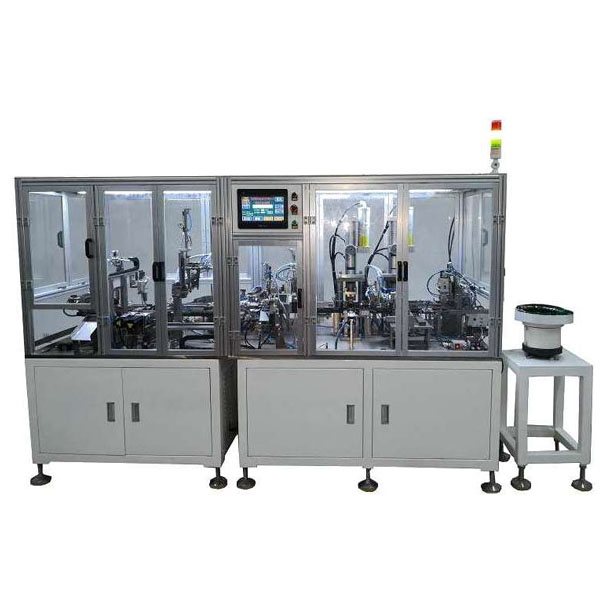
    Industry Insights: Xiamen Frand Intelligent Equipment Co., Ltd. and Socket Solutions Xiamen Frand Intelligent Equipment Co., Ltd. has established itself as a notable contributor to manufacturing automation, with capabilities that intersect meaningfully with the broader socket and fastener markets. In the evolving landscape of industry socket production, automation, precision tooling, and supply-chain integration are central themes. This article examines current technology trends, innovation imperatives, market players, global challenges, collaboration strategies, and future growth areas relevant to industry sockets while highlighting Xiamen Frand Technology's role and resources. Introduction to Xiamen Frand Intelligent Equipment Co., Ltd. and Its Role in the Socket Industry Xiamen Frand Intelligent Equipment Co., Ltd., primarily known for automated hose clamp assembly machines and related manufacturing equipment, brings expertise in high-speed, repeatable production systems that translate well to adjacent product families such as industry sockets and related fasteners. The company's portfolio and factory capabilities, described further on its Factory Tour and ABOUT US pages, demonstrate an ability to design machinery that supports scale production and process consistency. For manufacturers evaluating automation partners, Xiamen Frand's emphasis on customization and quality control offers compelling value propositions: reduced cycle times, lower labor variability, and consistent component quality. Although Xiamen Frand Intelligent Equipment Co., Ltd.'s product focus centers on clamp-making and assembly equipment, the engineering principles—precision feeders, servo-driven assembly stations, automated inspection, and adaptive tooling—are directly applicable to switch socket manufacturing and broader industry socket lines. Integrating these systems reduces defect rates and increases throughput for customers producing scame industrial socket variants or custom socket solutions. Readers can learn more about the company's background and capabilities on the ABOUT US and Factory Tour pages to assess fit for specific automation projects. From an industry education perspective, understanding how automation companies like Xiamen Frand Intelligent Equipment Co., Ltd. adapt core technologies across product families helps purchasing and engineering teams make informed choices. For OEMs and contract manufacturers, partnering with automation specialists can mean faster time-to-market for new socket designs and smoother scaling from prototype to mass production. Relevant product demonstrations and case studies are often available through company product pages and the News blog to showcase applied results. Finally, the alignment between automation firms and socket manufacturers can shorten development cycles for complex socket assemblies by combining design-for-manufacturability (DFM) principles with automated testing and end-of-line quality control. For businesses considering retrofitting or new lines, the Quality Control page provides insights into testing regimes and acceptance criteria that help maintain consistent standards across production batches. Overview of Current Socket Technology Trends Socket technology has evolved beyond mechanical fit and torque considerations to include integrated sensors, improved materials, and modular designs that simplify maintenance and customization. Modern industry socket production often incorporates precision CNC machining for critical geometries, advanced coatings for corrosion resistance, and selective heat treatments to balance toughness and wear resistance. These advances underpin higher-performing sockets that meet stricter industry tolerances and regulatory demands. In manufacturing, automation is accelerating adoption of just-in-time assembly and inline inspection, enabling real-time defect detection and feedback loops that reduce scrap. For companies producing scame industrial socket or switch socket manufacturing lines, inline vision systems and automated torque validation are becoming standard practice. These systems leverage machine vision and torque-sensing actuators to verify correct assembly and function, decreasing warranty returns and improving field reliability. Materials innovation is another trend: composite insert materials, surface engineered finishes, and low-friction coatings improve longevity and user experience. Emerging socket designs also prioritize modularity so a single base can accept multiple head types, enabling manufacturers to serve wider markets without extensive tooling changes. For manufacturers, this flexibility reduces capital outlay and allows rapid configuration changes to meet customer demand. Finally, sustainability and lifecycle considerations are influencing socket design. Manufacturers increasingly evaluate recyclability, repairability, and the carbon footprint of production processes. By adopting energy-efficient assembly machines and optimizing material yields, companies can reduce operational costs while meeting growing customer expectations for responsible manufacturing. The Importance of Innovation in Socket Design and Manufacturing Innovation in socket design is not solely aesthetic; it improves safety, usability, and manufacturability. Design-for-manufacture principles—reducing part count, simplifying assembly sequences, and using standardized fastener interfaces—can significantly lower production costs. For firms invested in switch socket manufacturing, early involvement of manufacturing engineers in the design cycle ensures that new socket models can be produced reliably at scale. Manufacturing innovation focuses on modular automation lines, flexible tooling, and digital twins that simulate production before shop-floor deployment. Xiamen Frand Intelligent Equipment Co., Ltd.’s expertise in automated assembly and custom machinery supports these shifts by delivering solutions tailored to specific throughput and tolerance requirements. Their Products and Quality Control resources explain how machine configurations and testing protocols are matched to client product specifications. R&D investments in tooling materials and surface treatments also yield notable product differentiation. For example, sockets designed for high-wear environments benefit from specialty alloys or cryogenic treatments that extend service life. In tandem, process innovations such as in-line calibration and closed-loop quality control allow manufacturers to guarantee performance metrics for every part. Moreover, integrating digital manufacturing platforms—linking ERP, MES, and inspection systems—enables traceability and predictive maintenance. For OEMs, that means fewer unexpected downtimes and better long-term cost forecasting. Suppliers who embrace these technologies can position themselves as premium partners for large industrial customers seeking consistent supply and documented quality performance. Key Players in the Fastener Industry and Their Influence on Market Trends The fastener and socket markets include multinational component suppliers, specialized niche manufacturers, and equipment providers that enable high-volume production. Key players shape standards for tolerances, testing protocols, and material specifications. Their influence extends to supply-chain expectations; buyers often require certified suppliers with demonstrable quality control systems and scalable production capacity. Companies offering complete vertical solutions—from raw material sourcing to finished socket packaging—tend to capture larger market share because they control lead-times and quality across the chain. Equipment manufacturers like Xiamen Frand Intelligent Equipment Co., Ltd. support these producers by supplying tailored assembly lines and inspection systems that integrate into existing workflows. Linking to the HOME and Products pages provides prospective partners a view of available automation tools and product lines. Niche specialists, including producers of scame industrial socket variants or high-precision socket heads, maintain competitiveness through technical differentiation—special alloy compositions, advanced finishing, or proprietary locking mechanisms. These innovations often prompt broader market adoption when they deliver clear lifecycle or safety advantages. Collaborative partnerships between OEMs and specialized toolmakers facilitate faster adoption cycles of these innovations. Ultimately, market leadership often depends on agility: companies that rapidly adapt to regulatory changes, material shortages, or shifting customer priorities capture share. Strategic investments in flexible manufacturing equipment and supplier diversification are common responses among established players aiming to maintain resilience in volatile markets. Global Market Challenges Faced by Socket Manufacturers Socket manufacturers encounter several global challenges: supply-chain disruptions, raw-material price volatility, trade policy shifts, and increasing regulatory scrutiny related to product safety and environmental impact. These pressures can compress margins and complicate forecasting, especially for manufacturers reliant on imported raw materials or single-source components. Implementing risk mitigation strategies—such as multisourcing and localizing critical supply—can reduce exposure. Another challenge is workforce skills: as production becomes more automated, the demand shifts to technicians and engineers who can maintain and program advanced machinery. Companies that invest in training and develop close relationships with equipment suppliers like Xiamen Frand Intelligent Equipment Co., Ltd. can maintain operational continuity and improve time-to-repair when issues arise. The Factory Tour and Quality Control pages offer insight into training, test procedures, and machine capabilities that support workforce development. Environmental compliance and sustainability reporting are also increasingly important. Manufacturers must adopt cleaner production methods and document lifecycle impacts to satisfy customers and regulators. Investment in energy-efficient assembly machines and waste-reduction processes not only helps compliance but often reduces long-term operating costs. Finally, market fragmentation and the rise of custom, low-volume runs create complexity for scale-dependent manufacturers. Flexible tooling and modular assembly lines—areas where automation companies excel—help reconcile the need for both customization and efficiency. For many firms, partnering with automation specialists to implement quick-change tooling and agile production cells is a cost-effective path forward. Strategies for Collaboration Among Companies in the Socket Sector Collaboration across the socket value chain—design houses, material suppliers, equipment manufacturers, and contract producers—creates synergies that drive innovation and reduce time-to-market. Joint development agreements (JDAs) and co-engineering projects allow partners to align design intent with manufacturability, leveraging each party’s strengths to accelerate product launches. Xiamen Frand Intelligent Equipment Co., Ltd.’s ABOUT US and Products pages outline engineering and customization services that can be foundational to such collaborations. Shared investments in pilot lines and joint test labs are another effective strategy, allowing multiple stakeholders to validate process parameters without committing capital to full-scale deployment. These shared resources are particularly valuable for evaluating new materials, coatings, or assembly techniques before broader rollout. Collaborative approaches also facilitate standardized testing protocols and mutually recognized quality benchmarks that reduce validation time for end customers. Supply-chain partnerships—such as vendor-managed inventory (VMI) and long-term procurement agreements—provide stability for both suppliers and manufacturers. For socket producers, having predictable material flows and synchronized production schedules reduces inventory carrying costs and prevents line stoppages. Equipment partners that offer rapid technical support and spare-part availability enhance these arrangements by lowering operational risk. Finally, industry consortia and trade groups play a role in establishing standards and sharing best practices. Participating in these groups helps companies stay ahead of regulatory changes, provides benchmarking data, and opens channels for collective problem-solving—especially important in addressing shared challenges like sustainability and workforce development. Future Predictions for the Socket Industry and Potential Growth Areas We can expect continued convergence between mechanical hardware and digital manufacturing technologies. Smart sockets with embedded sensors for torque logging, wear monitoring, and connectivity will become more common in industrial settings. Such products require precise assembly processes and integrated electronic testing, increasing demand for automated lines capable of handling mixed electro-mechanical assemblies. Emerging markets and electrification trends—especially in automotive and renewable energy sectors—will drive demand for specialized sockets and fasteners built to new performance criteria. Switch socket manufacturing will need to adapt to higher electrical safety standards and thermal performance requirements, creating opportunities for suppliers who can rapidly qualify new designs and materials. Additionally, aftermarket services—repair, calibration, and lifetime performance tracking—represent a growing revenue stream. Manufacturers that pair product sales with service contracts and digital monitoring platforms can secure recurring income while providing added value to customers. Equipment providers like Xiamen Frand Intelligent Equipment Co., Ltd. that support quality control and traceability will be well positioned to help clients expand into these service-led business models. Finally, regional reshoring and nearshoring trends may reshape production geographies, creating opportunities for localized high-efficiency manufacturing hubs. Companies that invest in flexible automation and workforce upskilling will be best positioned to capitalize on these shifts, offering fast response times and lower logistical complexity for regional customers. Conclusion and Call to Action for Industry Stakeholders The socket industry stands at the intersection of traditional mechanical design and modern automated manufacturing. To remain competitive, manufacturers must embrace innovation in materials, design, and production methods while strengthening partnerships with automation specialists. Xiamen Frand Intelligent Equipment Co., Ltd. represents one such partner type, offering automation solutions and quality-focused processes that can help socket and fastener producers scale reliably.   Industry stakeholders should evaluate their product roadmaps to identify opportunities for modularity, digital integration, and sustainability improvements. Engaging in collaborative projects, investing in workforce training, and adopting flexible automation are practical steps to enhance resilience and capture growth in emerging markets. For more information on automation capabilities and equipment options, visit the HOME and Quality Control pages, or request technical details through the CONTACT US page. For direct product examples and machine types, see the British Hose Camp Machine and Products pages for reference and potential cross-application ideas.

    detials
  • Relay Goods: Your Guide to Efficient Shipping
    2026 - 09 - 07 Relay Goods: Your Guide to Efficient Shipping
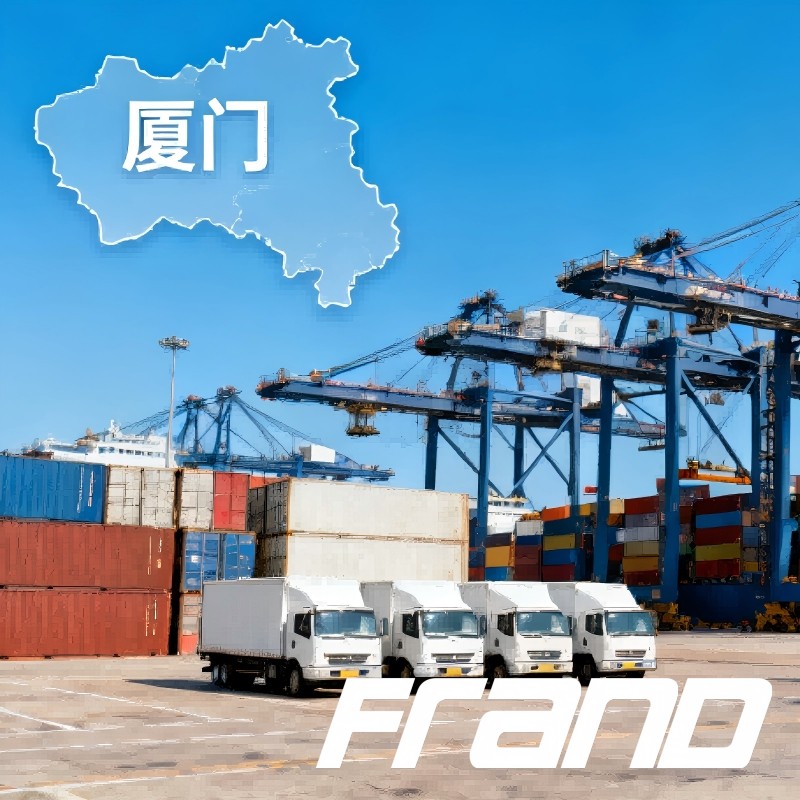
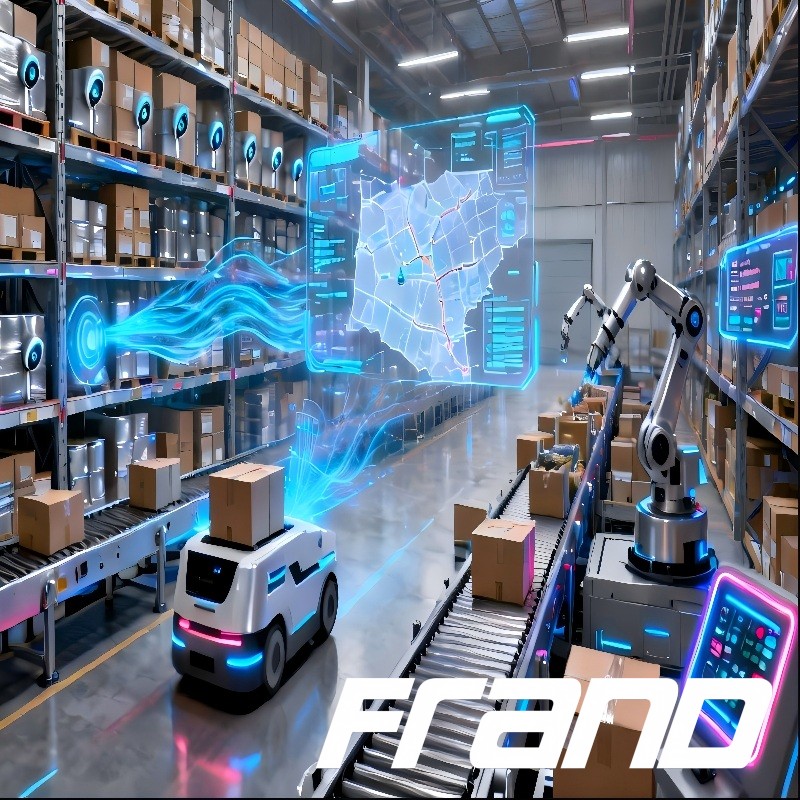
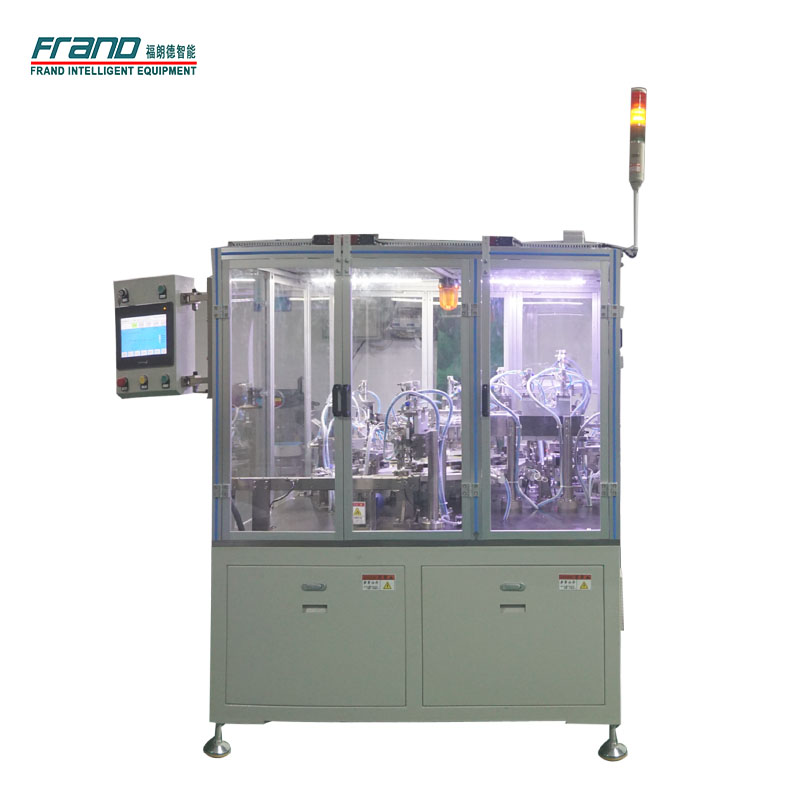
    Relay Goods: Your Guide to Efficient Shipping 1. Introduction to Relay Goods and Modern Supply Chains Relay goods describe a practical approach to moving freight through intermediate nodes where shipments are transferred, consolidated, or reconfigured before continuing to their final destination. In modern supply chains, relay goods play a vital role by enabling flexible routing, improving utilization of transport assets, and reducing total transit times. Businesses increasingly rely on relay goods strategies to manage variations in demand, regulatory constraints, and capacity bottlenecks across regions. Understanding relay goods helps logistics planners optimize routes, reduce handling costs, and improve service levels for customers. For manufacturers and distributors aiming to scale internationally, mastering relay goods tactics can mean faster market entry and improved competitiveness. 2. Understanding the Concept of Relay Shipping and Related Terms Relay shipping is the operational practice that underlies relay goods, where shipments are passed between carriers, hubs, or partners to maintain momentum along a supply chain corridor. This concept intersects with related logistics practices such as transshipment, cross-docking, consolidation hubs, and last-mile delivery. Transshipment refers to moving cargo from one vessel or vehicle to another at an intermediate point, while cross-docking minimizes warehousing by directly transferring inbound items to outbound transport. Consolidation hubs aggregate smaller consignments into full loads to reduce per-unit transport costs, and last-mile delivery addresses the final, often most complex leg of reaching the end customer. By combining these methods, companies can craft relay goods networks that balance speed, cost, and reliability. 3. Benefits of Using Relay Goods in Logistics Implementing relay goods brings several quantifiable benefits to logistics operations, starting with improved network resilience and reduced risk of single-point failures. Relay goods strategies allow carriers to reroute freight around congestion, weather disruptions, or port delays by leveraging intermediate hubs and multiple transport modes. Cost savings are realized through consolidation and higher load factors, which lower the cost per unit transported. Service improvement is another advantage: relay goods can reduce total lead time and offer more frequent departure windows, enhancing delivery promises to customers. Finally, relay goods support sustainability goals by enabling modal shifts (for example, from road to rail) and reducing empty running through better asset utilization. 4. Key Technologies Enabling Relay Goods Technology underpins successful relay goods systems, with digital tools enabling visibility, coordination, and automation across handoffs. Transportation management systems (TMS) and digital freight platforms provide planning and optimization capabilities that schedule relay legs and minimize dwell time. Real-time tracking and IoT devices ensure the condition and location of relay goods are monitored continuously, allowing for proactive exception management. Warehouse automation and cross-docking systems reduce handling time at consolidation hubs, while machine learning models forecast demand and recommend optimal relay routes. Together, these technologies create a connected environment where relay logistics operate predictably and efficiently. 5. Xiamen Frand Intelligent Equipment Co., Ltd.: Innovating Relay Solutions Xiamen Frand Intelligent Equipment Co.,Ltd. is a manufacturer known for industrial automation and high-speed assembly equipment, and its expertise increasingly supports relay goods workflows in manufacturing logistics. By supplying automated assembly lines and precision machinery, Xiamen Frand Intelligent Equipment Co.,Ltd. helps reduce lead times and variability upstream in the supply chain, making relay shipping more predictable. Their solutions for hose clamp and clamp-teeth production contribute to faster throughput, which in turn aligns production rhythms with relay logistics schedules. For businesses seeking machine-level reliability, visiting the ABOUT US page provides detailed company history and R&D capabilities that explain how their manufacturing automation can integrate with broader relay logistics strategies. Companies exploring equipment options may also review product offerings on the Products page to assess compatibility with consolidation and cross-docking operations. 6. Best Practices for Implementing Relay Goods Successful relay goods implementation begins with network design: map current flows, identify potential consolidation hubs, and model alternative relay routes using historical transit and capacity data. Establish clear service-level agreements (SLAs) between carriers and hub operators to ensure handoffs occur on time and with agreed handling standards. Invest in visibility tools like a robust TMS and GPS-enabled telematics to monitor relay goods in real time and trigger contingency actions when exceptions arise. Standardize packaging, labeling, and palletization to speed up transfers at cross-docking points and reduce manual handling errors. Finally, prioritize continuous improvement by tracking KPIs such as dwell time, on-time percentage, and cost per move to refine relay logistics over time. Operational considerations and partner selection Choosing the right partners is essential for relay logistics success: carriers, warehouse operators, and technology providers must align on processes, data exchange formats, and response protocols. Assess potential partners for their ability to handle transshipment volumes, perform cross-docking efficiently, and manage last-mile delivery complexities. Look for partners with proven freight consolidation experience and robust Quality Control processes to protect product integrity during relay transitions. When vetting automation suppliers like Xiamen Frand Intelligent Equipment Co.,Ltd., consider factory visit insights available on the Factory Tour page and quality assurance practices listed on the Quality Control page to verify operational fit. Strong contractual frameworks and recurring performance reviews help maintain consistent relay goods service levels. 7. Design Patterns: Cross-docking, Consolidation Hubs and Last-Mile Three design patterns frequently enable effective relay goods networks: cross-docking, consolidation hubs, and last-mile orchestration. Cross-docking reduces warehousing needs by routing inbound deliveries directly to outbound carriers, which is ideal for time-sensitive relay goods. Consolidation hubs aggregate LTL shipments into full loads, delivering lower unit costs and smoother long-haul operations. Last-mile orchestration focuses on flexible delivery options, dynamic routing, and carrier selection to meet customer expectations. Blending these patterns allows supply chain managers to tune their relay goods architecture for different product profiles, balancing speed and cost across the end-to-end flow. 8. Measuring Success: KPIs for Relay Goods Key performance indicators for relay goods include transit time reliability, percentage of on-time handoffs, average dwell time at relay hubs, cost per ton-kilometer, and damage rate during transfers. Monitoring these KPIs provides a clear picture of how well relay shipping is delivering against business objectives. Advanced metrics can include CO2 per shipment to align relay goods tactics with sustainability targets, and fill-rate improvements resulting from better consolidation. Regular KPI reviews support targeted investments in technology, partner development, and process changes that raise the overall performance of relay logistics systems. 9. Challenges and Risk Management in Relay Logistics Relay goods strategies introduce complexity that must be actively managed: every additional handoff increases the potential for delays, misrouting, or damage. To mitigate these risks, companies should standardize processes, implement tamper-evident packaging, and use electronic documentation to reduce paperwork errors during transshipment. Redundancy planning—such as alternate routes, backup carriers, and buffer capacity at consolidation hubs—helps maintain continuity during disruptions. Cybersecurity is another concern, as visibility and coordination depend on digital platforms; secure data exchange and vendor audits are essential. Finally, regulatory compliance for cross-border relay shipments requires careful documentation and customs planning to avoid unexpected hold-ups. 10. Conclusion and Future Trends in Relay Shipping The future of relay goods is shaped by digital integration, multimodal optimization, and sustainability imperatives. Emerging technologies like blockchain for immutable transfer records, autonomous vehicles for predictable handoffs, and AI-driven route optimization will continue to refine relay logistics. Companies that invest in robust digital infrastructure and partner ecosystems will unlock the full potential of relay goods to deliver faster, cheaper, and greener supply chains. For firms evaluating equipment and automation partners to support these goals, resources such as the HOME, British Hose Camp Machine, and CONTACT US pages can provide practical entry points to collaborate with providers like Xiamen Frand Technology. As market demands evolve, relay goods will remain a flexible and powerful tactic for businesses seeking efficient shipping solutions. For further reading and product details that support relay goods strategies—especially in manufacturing contexts where automated equipment aligns production with logistics—explore Xiamen Frand Intelligent Equipment Co.,Ltd.'s specific pages: British Hose Camp Machine, HOME, Quality Control, ABOUT US, Products, and CONTACT US. These internal resources can help operational teams connect equipment capabilities to relay logistics design and execution.  

    detials
  • kami memuat 3 kontainer American Hose Hoop Machine ke usa
    2025 - 09 - 05 kami memuat 3 kontainer American Hose Hoop Machine ke usa
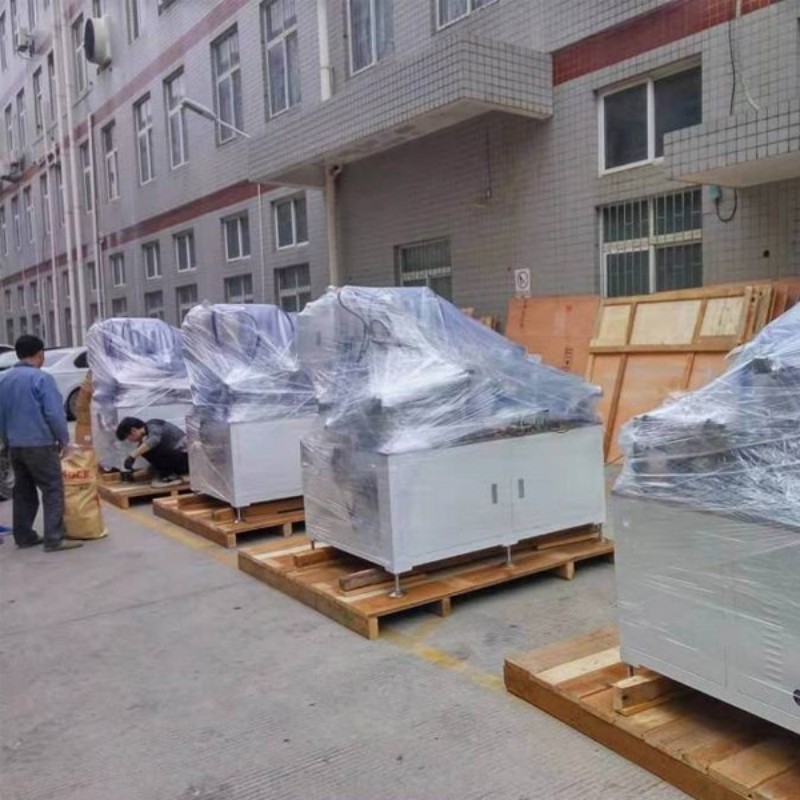
    Xiame Frand Intelligent Equipment Co., Ltd. selalu bertujuan menawarkan kualitas produk terbaik dengan nilai kompetitif untuk mitra bisnis global kami, dan kami memuat 3 kontainer Mesin Hose Hoop Amerika ke Amerika Serikat.      

    detials
  • Waktu liburan Festival Musim Semi pada tahun 2021
    2022 - 06 - 21 Waktu liburan Festival Musim Semi pada tahun 2021
    Pengaturan liburan company@@@ adalah sebagai berikut: Semua karyawan akan berlibur dari 7 Februari hingga 18 Februari 2021 Kembali bekerja pada 19 Februari dan kembali bekerja pada 21 Februari (Minggu). Saya berharap semua staf merayakan Festival Musim Semi dan yang terbaik!

    detials

  • peringatan 95 tahun berdirinya Tentara Pembebasan Rakyat Tiongkok.
    2022 - 08 - 01 peringatan 95 tahun berdirinya Tentara Pembebasan Rakyat Tiongkok.
    Hari Tentara adalah peringatan berdirinya Tentara Pembebasan Rakyat China@@@. Ini ditetapkan pada tanggal 1 Agustus setiap tahun dan didirikan oleh Komisi Militer Revolusi Rakyat@@@s China untuk memperingati berdirinya Tentara Merah@@@ dan Petani@@@ Tentara Merah. Xiame Frand Intelligent Equipment Co., Ltd. mengucapkan selamat ulang tahun ke-95 berdirinya Tentara Pembebasan Rakyat Tiongkok@@@. Mesin hoop selang utama perusahaan@@@, MESIN KATUP BAN, MESIN PEMBUAT LOCKSET, dan peralatan otomasi lainnya, selamat datang untuk berkonsultasi.

    detials

  • Tujuan dari klem selang
    2025 - 09 - 05 Tujuan dari klem selang
    Klem selang banyak digunakan pada kendaraan bermotor, obat-obatan, pemurnian pengolahan limbah dan penghilangan debu, suku cadang mobil dan mesin lainnya, terutama cocok untuk sambungan model menengah dan atas atau bagian dari bahan anti korosi. Klem selang ini relatif kecil dan nilainya juga kecil, namun perannya sangat besar. Ini memiliki berbagai aplikasi, ketahanan torsi dan tekanan, torsi torsi seimbang, penguncian yang kuat dan ketat, rentang penyesuaian yang besar, dan penampilan cantik setelah perakitan.

    detials

  • Perbedaan klem selang tipe Amerika dan klem selang tipe Jerman
    2026 - 07 - 01 Perbedaan klem selang tipe Amerika dan klem selang tipe Jerman
    apa yans itu perbedaan klem selang amerika dan klem selang tipe jerman? Banyak orang yang memiliki pertanyaan seperti ini, berikut ini untuk mengetahui perbedaannya, Anda dapat melihatnya: 1. Benang sabuk baja penjepit selang Amerika melalui lubang, bahasa Jerman cekung kuno. 2. Lebar sabuk baja Amerika adalah 12.7mm, gaya Amerika kecil adalah 8MM, (sama dengan dan kurang dari 27 adalah gaya Amerika kecil, yang lainnya adalah gaya Amerika besar), tipe Jerman adalah 9MM dan 12MM dua. 3. Segi enam kepala sekrup Amerika adalah 8MM, Jerman adalah 7MM. 4. Twist Amerika relatif lebih rendah dibandingkan twist Jerman. 5.Tidak banyak perbedaan dalam penggunaan lainnya.

    detials

  • Fitur penjepit selang Amerika
    2025 - 09 - 05 Fitur penjepit selang Amerika
    Bahan yang umum digunakan untuk klem selang Amerika adalah: baja tahan karat (201/304/316), dan permukaan baja karbon dilapisi dengan seng putih. Karena alur oklusal selang Amerika penjepit sabuk baja dilewati, dan gigi sekrup tertanam, sehingga lebih kuat dan presisi saat dikunci. Namun karena strip baja bersifat permeabel, maka strip baja tersebut mudah patah jika gaya tariknya kuat. Performa tarik ini relatif lebih kuat dibandingkan klem selang Jerman. Penjepit selang banyak digunakan pada sambungan selang kulit pada pipa mobil, pompa air, kipas angin, mesin makanan, mesin kimia, dan peralatan industri lainnya. Alur oklusal pada pita baja selang Amerika kerangp transparan, dilubangi dan dicap, serta memiliki dua bentuk alur, lubang persegi panjang dan lubang daun willow. Sekrup roda cacing pada kerang selangp, ulir tertanam pada alur, dan sekrup umumnya digunakan untuk mengencangkan diameter sabuk baja penjepit selang, untuk mencapai efek penguncian.

    detials

  • Pengenalan penjepit selang Inggris, Jerman dan Amerika
    2025 - 09 - 05 Pengenalan penjepit selang Inggris, Jerman dan Amerika
    Klem selang terutama dibagi menjadi tiga jenis: gaya Inggris, gaya Amerika, dan gaya Jerman. Selain itu juga terdapat produk turunan lainnya seperti bundle pipa dan klem selang standar Eropa. Klem selang bahasa Inggris: bahannya galvanis, biasa disebut besi galvanis, dengan torsi sedang, harga murah, dan jangkauan aplikasi luas. Klem selang Jerman: bahannya besi, permukaannya galvanis. Gespernya dicap dan dibentuk, dengan torsi tinggi dan harga cukup tinggi. Pangsa pasarnya rendah karena tingginya biaya produksi. Klem selang Amerika: dibagi menjadi dua jenis: besi galvanis dan baja tahan karat. Perbedaan utamanya adalah jarak gespernya berlubang (yaitu melalui mata gesper). Pasar ini sebagian besar terbuat dari baja tahan karat, yang terutama digunakan di pasar kelas atas seperti suku cadang mobil. Harganya lebih tinggi dari dua lainnya.

    detials

  • Pentingnya klem selang dalam industri
    2025 - 09 - 05 Pentingnya klem selang dalam industri
    Ada banyak jenis klem selang, dan klem selang yang berbeda mempunyai efek yang berbeda pula. Bahan umum penjepit selang adalah besi dan stainless steel. Spesifikasi dan model dapat disesuaikan secara bersamaan. Ini memainkan peran yang sangat penting. Ini adalah prioritas utama sambungan selang dan sambungan pipa keras. Perannya untuk mengunci sambungan agar lebih tertutup rapat, dan tidak terjadi kebocoran udara atau air. Dahulu orang selalu menggunakan kawat besi untuk mengamankan sambungan, namun kekencangan kawat besi itu terbatas. Jika sudah kencang sampai batas tertentu, kawat besi akan putus dan tidak dapat digunakan lagi. Penerapan penjepit selang saat ini sama dengan pengikatan kawat besi, tetapi ini mengatasi kelemahan gaya pengikatan yang tidak mencukupi dan area kontak yang kecil. Dalam dunia industri, apapun sambungannya tidak terlepas dari tampilan klem selang. Pentingnya klem selang dalam industri sudah jelas.

    detials

  • Tindakan pencegahan untuk membeli klem selang
    2025 - 09 - 05 Tindakan pencegahan untuk membeli klem selang
    Saat membeli a selang penjepit, jika Anda memerlukan penjepit 70mm, Anda harus memilih rentang penjepit antara 50mm dan 70m saat Anda memilih, dan kurangi 20mm dari jangkauan maksimum. Ini adalah fitur paling dasar, dan memang demikian diatur dengan jelas dalam standar yang relevan. Jika lingkungan yang digunakan memiliki persyaratan khusus, atau pipa yang terhubung bersifat khusus, maka perlu disesuaikan, dan serangkaian data parameter harus diberikan kepada pabrikan, sehingga pabrikan dapat merancang produk yang khusus dan tepat sasaran. Ketika orang membeli sesuatu, mereka suka membeli yang murah. Mereka selalu ingin mencari produk yang berkualitas dan murah. Sebenarnya harga bukan satu-satunya faktor yang menentukan karakteristik suatu produk, namun perlu diperhatikan saat membeli klem selang. Semakin rendah harganya, semakin rendah harganya. Menunjukkan bahwa aspek tertentu dari produk tidak dapat memenuhi persyaratan. Apalagi di beberapa proyek, banyak penanggung jawab pengadaan yang bertanya secara online mana yang paling murah. Faktanya, banyak klem selang murah di pasaran yang dijual setelah direnovasi. Mekanisme daur ulang di dalam negeri belum sempurna. Banyak orang memperlakukan produk yang tidak dapat digunakan sebagai besi tua atau emas bekas, dan beberapa orang hanya memperbarui produk yang tidak rusak parah, lalu menjualnya..

    detials

1 2 3 4 5 6 7

A total of7pages

Tinggalkan pesan

Tinggalkan pesan
Jika Anda tertarik dengan produk kami dan ingin mengetahui lebih detail, silakan tinggalkan pesan di sini, kami akan membalas Anda sesegera mungkin.

Rumah

Produk

whatsApp